Busy changeovers
Schedule routes around class movement and events.

BUILT AROUND YOUR SPACE
Fit floor care around the teaching day, campus activities and quiet study spaces.
01 / THE CHALLENGE
Schedule routes around class movement and events.
Check noise and timing in libraries and study areas.
Treat access, floor surfaces and service points as building-specific decisions.
Compare term-time cleaning with holiday and event requirements.
02 / YOUR ENVIRONMENT
Education sites often span multiple buildings, varied floors, complex layouts and high-traffic routes. Libraries and teaching rooms also need quieter operating windows.

03 / A PRACTICAL CLEANING PLAN
Create repeatable schedules for accessible floor areas.
Choose cleaning modes around each building’s floor finish.
Review cleaning coverage with campus facilities staff.
Agree the cleaning area, completion window and inspection criteria before a trial. Record interventions and service time as well as floor coverage.
COMPARE YOUR CLEANING OPTIONS
Compare the people time and operating costs needed to deliver the same cleaning scope and standard. Adjust the assumptions to reflect your facility.
Fixed planning assumptions: 30 minutes of staff support per cleaning day and AUD 3,500 in annual robot non-labour operating costs. Robot support time includes preparation, emptying, refilling, routine checks and manual touch-ups. Non-labour costs should include maintenance, consumables, energy and any recurring fees. Net upfront investment includes equipment and deployment, less any avoided traditional equipment purchase. Use a consistent GST basis.
Please enter valid non-negative values within the displayed limits; cleaning days and traditional hours must be greater than zero.
| Annual comparison | Traditional cleaning | Automated cleaning |
|---|---|---|
| People time | 1,200 h | 150 h |
| Labour cost | A$48,000 | A$6,000 |
| Non-labour operating costs | A$0 | A$3,500 |
| Total operating cost | A$48,000 | A$9,500 |
Labour efficiency: hours released = (traditional daily labour − robot support labour) × cleaning days. The percentage shows the reduction in direct labour time, not a claim that the robot cleans the floor faster.
Annual saving: traditional labour and running costs minus robot support labour and running costs. Released time becomes a cash saving only when paid hours, overtime or contractor spend actually fall; otherwise it is capacity that can be reassigned.
Payback: net upfront investment divided by positive annual operating savings. This simple comparison excludes finance costs, depreciation, tax and residual value. It is not a full investment appraisal. Negative savings mean the assumed deployment costs more to operate.
Check the cleaning outcome: compare actual coverage, task completion, floor cleanliness and human interventions during a trial. Robot runtime, charging and servicing must fit the available cleaning window.
04 / FIND YOUR FIT
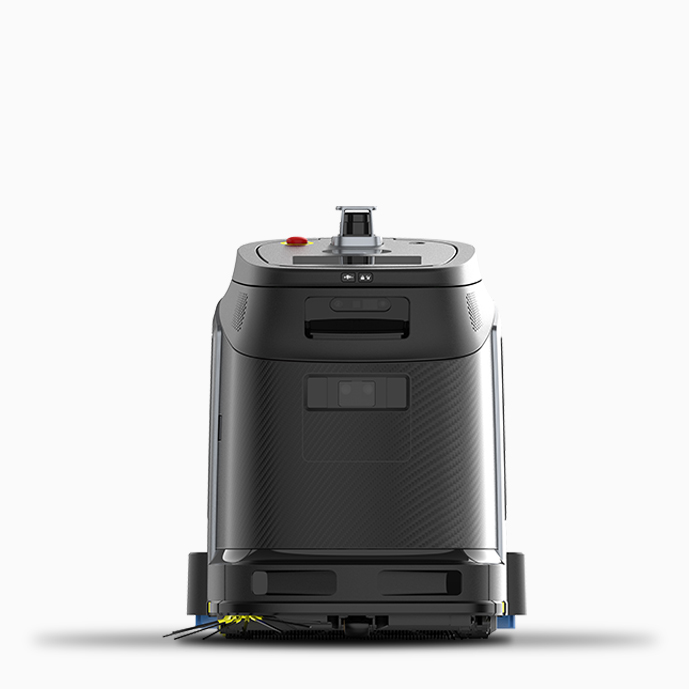
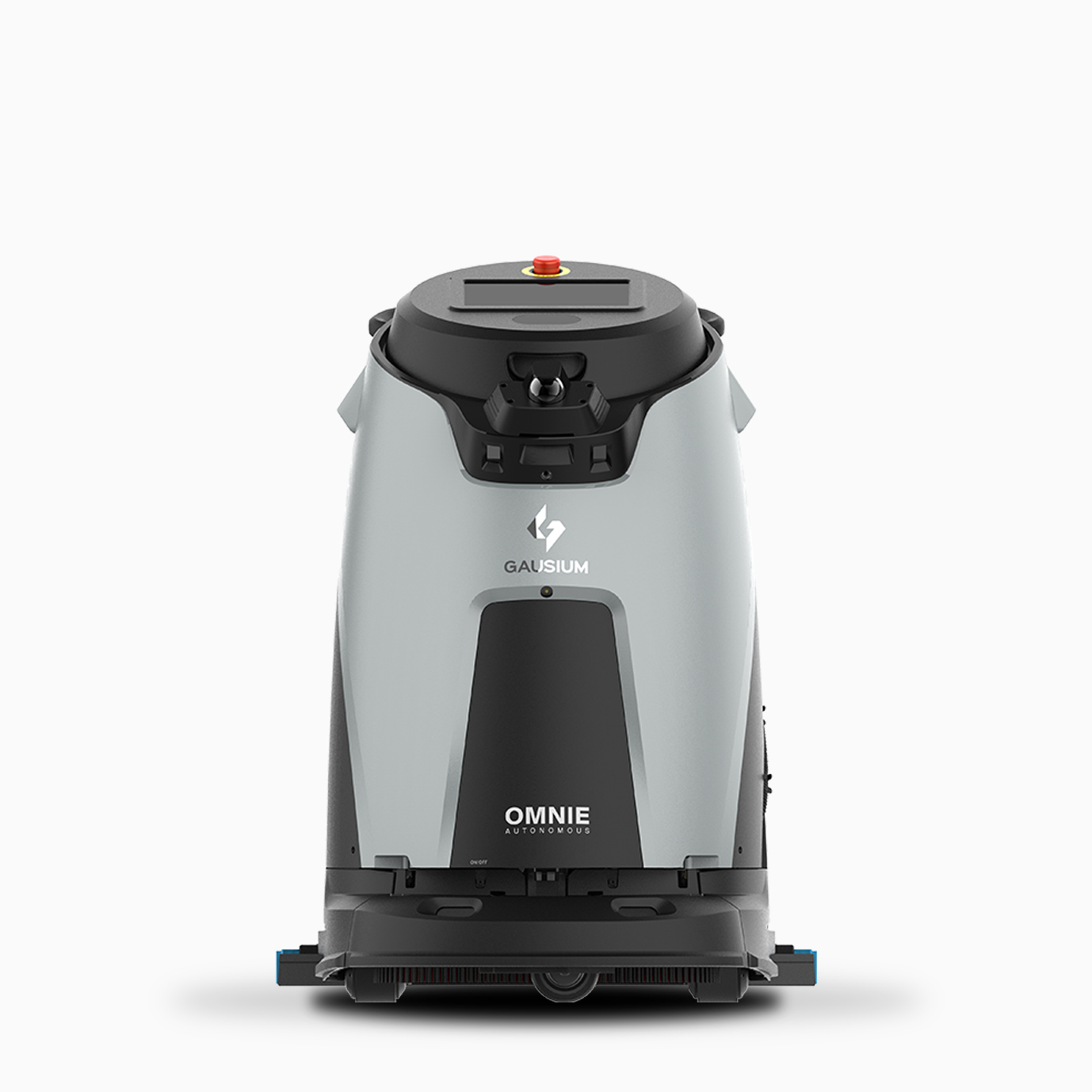
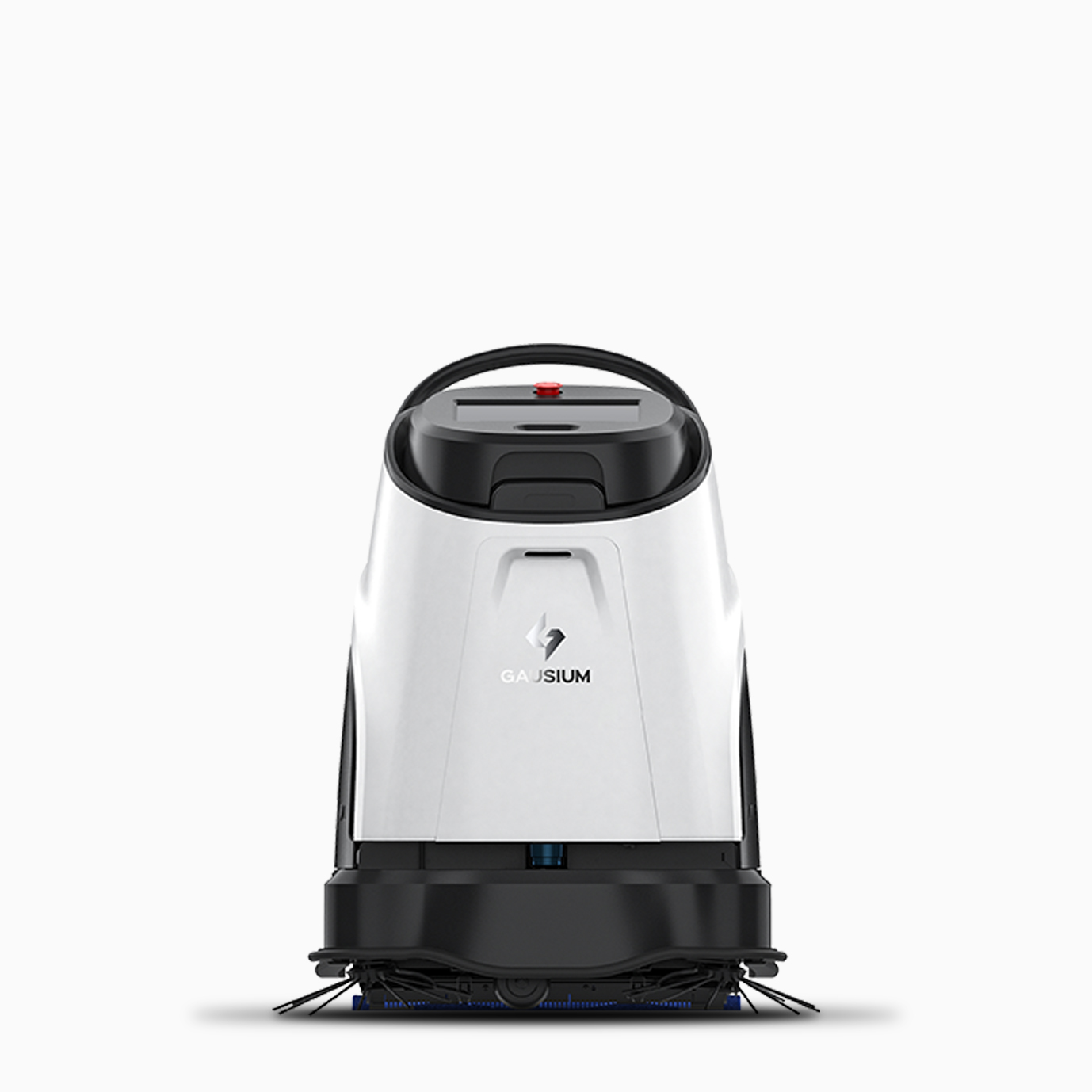
05 / IN THE FIELD
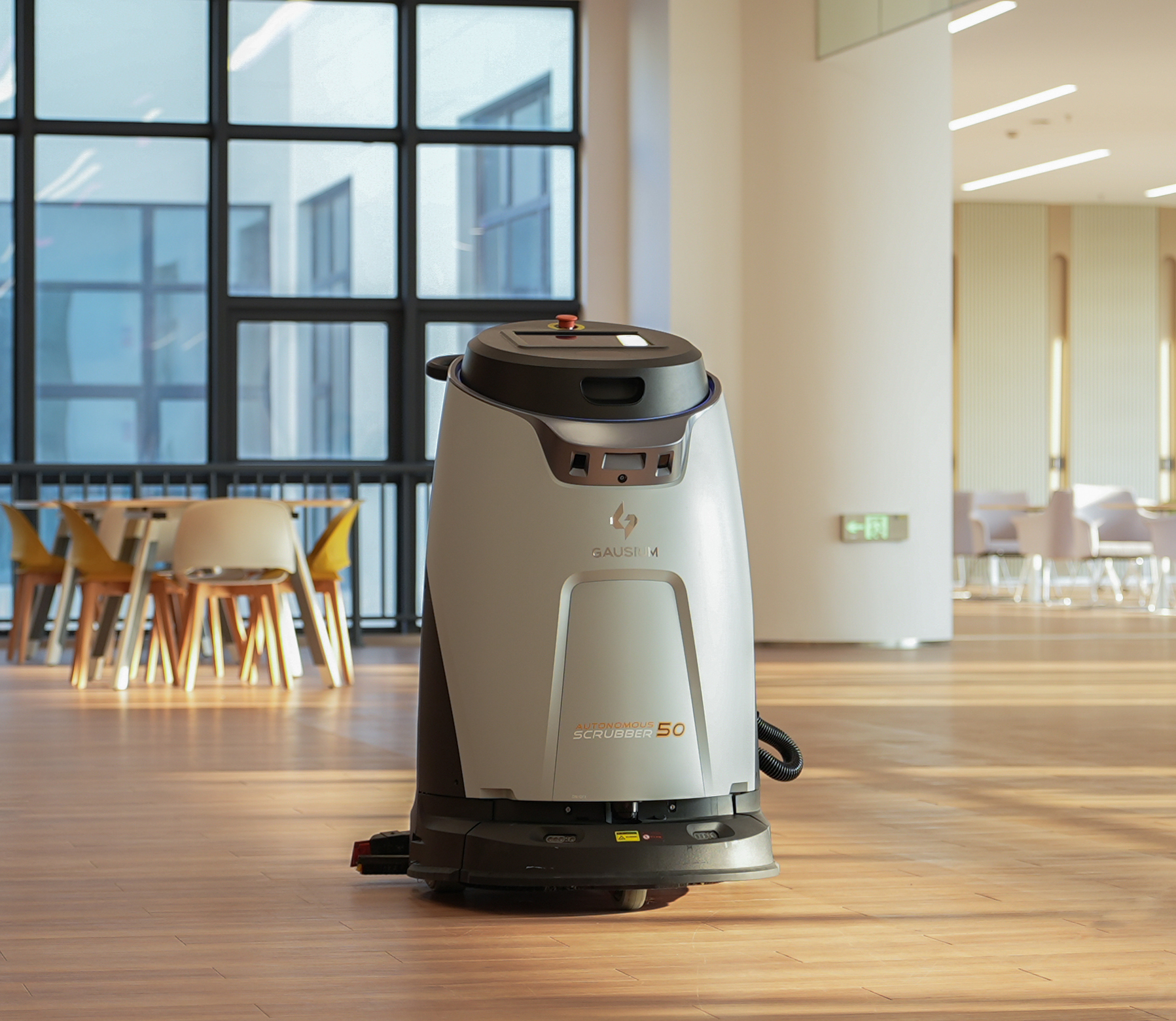
GAUSIUM GLOBAL CASE · PHOTO: GAUSIUM
Read Gausium’s published campus cleaning deployment story.
Read case studyYOUR FACILITY, YOUR PLAN
A case study is a starting point. Share your floor area, opening hours and current cleaning process so our Australian team can assess the right configuration.
Book a site assessmentIndustry and product reference: Gausium. Recommendations require local assessment.